
Asbach-Sickenberg: Border History and Nature
Accommodation in Asbach-Sickenberg
Asbach-Sickenberg combines a distinctive focus on history with opportunities to experience nature nearby. The Schifflersgrund Border Museum presents the history of the division of Germany; in the area around the P16 Premium Trail, ancient yew groves and seasonal plants create a very different impression. You can decide whether border history, nature, or a combination of the two will shape your stay.
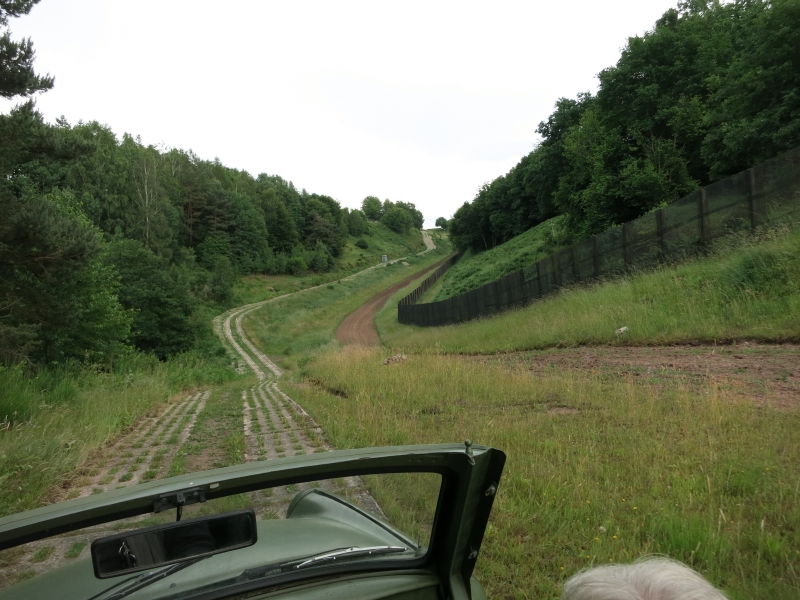
Border History and Cycling Routes
The Schifflersgrund Border Museum in Asbach-Sickenberg opened in 1991. It presents the history of the division of Germany, giving the area a tangible historical connection. There is also a signposted spur from the Werra Valley Cycle Route and the Iron Curtain Trail at the museum. If you are using either route, you can take this spur into account when planning your way; check the local signs before setting out.
Nature and a Rest Stop on the P16 Premium Trail
Nearby Asbach-Sickenberg, in the area around the P16 Premium Trail, there are extensive stands of very old yew trees. In spring, hellebores, mezereon and lily of the valley bloom there. In summer, wild herbs, the rare Turk’s cap lily and many special orchids grow. The changing seasons bring different highlights: spring blooms are followed by summer’s diversity of plants.
The Altenstein Castle ruins, with a rest area, are also on the P16 Premium Trail near Asbach-Sickenberg. This brings nature and a historical stop together nearby. When choosing when to travel, you can take seasonal plants into account; flowering varies with the time of year.
The Eichsfeld as a Wider Regional Setting
Beyond Asbach-Sickenberg, the Eichsfeld offers further themes to consider when planning a trip: castles, historic towns, open fields, natural monuments, and cycling and hiking trails. Options range from architectural and regional history to outdoor activities. For families, it can be helpful to weigh these interests alongside one another rather than bringing every experience under a single focus.
Bodenstein Castle was first mentioned in official records in 1098 and stands on a mountain spur of the Ohm Hills. Regular guided tours there cover the history of the former lords of the castle, the von Wintzingerode family; a visit to the small chapel with its baptismal angel is also possible. If you plan to take a tour, check the dates in advance. At Scharfenstein Castle, a terrace viewpoint and a 20-metre-high tower, completed in 2016, offer further vantage points. The panoramic view extends across the Upper Leine Valley, the Eichsfeld Basin, the Ohm Hills and the eastern Dün; on a clear day, the Harz Mountains are also visible.
The Hanstein Castle ruins offer different perspectives, too: visitors can explore their extensive remains. In clear weather, the accessible west tower affords a wide view across the Eichsfeld and the surrounding forests; in good visibility, the view reaches as far as the Brocken. The Dün and Iberg hills around Heilbad Heiligenstadt are well suited to longer hikes on certified TOP hiking trails. The Leine-Heide Cycle Route offers a different kind of tour: it starts in Leinefelde and runs all the way to Hamburg.
The history and regional culture of the Eichsfeld can also be found in its towns and museums. The Eichsfeld Museum, housed in Heilbad Heiligenstadt’s Baroque Jesuit College, provides information on history, culture, religion and folklore across three floors. In Dingelstädt, the Hobbyhorse Ride takes place every year on Easter Monday around St. Mary’s Church: preschool children ride wooden hobbyhorses decorated with bells and colourful ribbons. Air-dried sausage is considered a regional speciality of the Eichsfeld and is known beyond the region.
This information points you towards a suitable place to stay without conflating your different travel interests.
Discover more destinations: Volkerode, Am Ohmberg, Bornhagen, Wachstedt, Helmsdorf, Lindewerra, Schönhagen, Uder
See the higher-level travel overview: Eichsfeld.
