
Jülich: Fortress History and Park Culture
Accommodation in Jülich
Discover Jülich’s history in its buildings, street layout, and museums. The city’s 2,000-year history is closely linked to securing the strategically important bridge over the Rur. The city also offers fortifications, a historic city gate, and activities at Brückenkopf Park. This lets you choose from a range of focuses for your trip, from architecture and local history to parks and leisure.
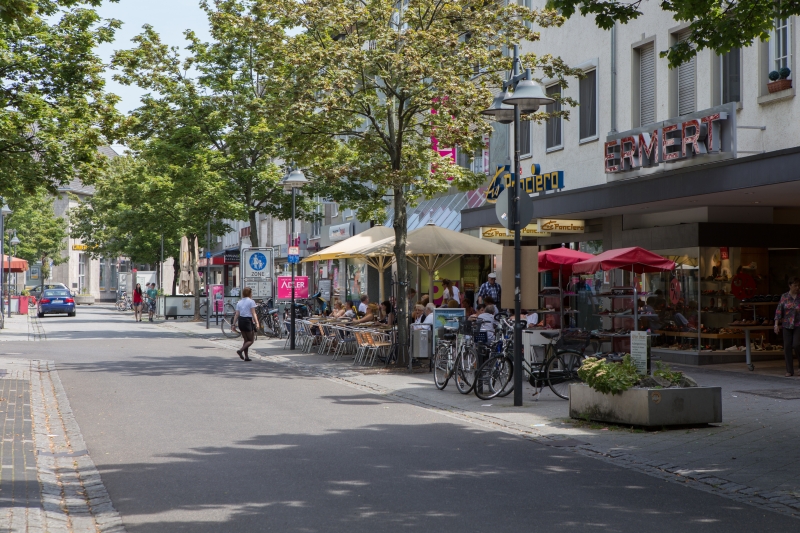
Cityscape and Historic Buildings
Despite the destruction of 1944, the symmetry of Jülich’s ideal city plan is still discernible in its streets. So here, history is reflected not only in individual buildings, but also in the arrangement of the streets. Aachen Gate adds another perspective on the city: it was completed in 1548 and was the first Renaissance city gate in the Rhineland. A section of wall approximately 115 meters long has been preserved next to the gate.
The citadel was built in the 16th century by Italian architect Alessandro Pasqualini. The largely preserved complex covers 90,000 square meters and can be explored on guided tours. If you would like to learn more about the history of the fortress, check the current guided tour options in advance.
The Citadel and Local History at the Museum
Three significant periods in Jülich’s history are presented in the historic cellar of the Citadel Museum. The Jülich City History Museum, located in the Kulturhaus am Hexenturm, offers another way to explore the city’s history, with permanent and special exhibitions. The two museums offer different perspectives: one focuses on historical periods, while the other presents the changing and permanent exhibitions of the City History Museum.
Qualified city guides offer tours of the city in German, Dutch, French, English, and Spanish. Languages and booking options may change; check the latest information if a tour is part of your plans.
The Bridgehead and Park Activities
At Brückenkopf Park, a zoo, woodland, orchards, and playgrounds come together. The Kind & Kegel play area includes a raft pond, water pumps, a play and climbing tower, and a large slide. If you’d like to enjoy different park activities during your visit, you’ll find nature areas, animal experiences, and play facilities all in the same park.
Sports activities are also available: Brückenkopf Park offers mini golf and archery. Brückenkopf has been open to visitors since April 25, 1998. Check the latest opening conditions and availability of park activities before your visit.
A distinctive feature of the fortifications is the South Bastion. It is the most extensively fortified part of the bridgehead fortifications and contains 22 gun casemates. It offers a specific point of interest if you’re interested in military architecture and the individual parts of the complex.
Jülich and the RurUfer Cycle Route
Cyclists can also find a cultural connection to Jülich: the city is part of the RurUfer Cycle Route’s cultural program. The route follows the Rur for more than 170 kilometers, from the Belgian plateau to the Dutch border. Route descriptions may be updated; check them before setting off if you’re planning your trip.
When looking for accommodation, it helps to first decide what you’d like to focus on during your stay: would you like to spend most of your time exploring buildings and museums, or include activities at Brückenkopf Park as well? Choose accommodation based on the places that matter to your plans, and check their locations against your own itinerary.
Discover more destinations: Nideggen, Langerwehe, Vettweiß, Hürtgenwald, Merzenich, Düren, Linnich, Heimbach.
Back to the main travel overview: Düren.
