
Marienheide between reservoirs and pilgrimage
Accommodation in Marienheide
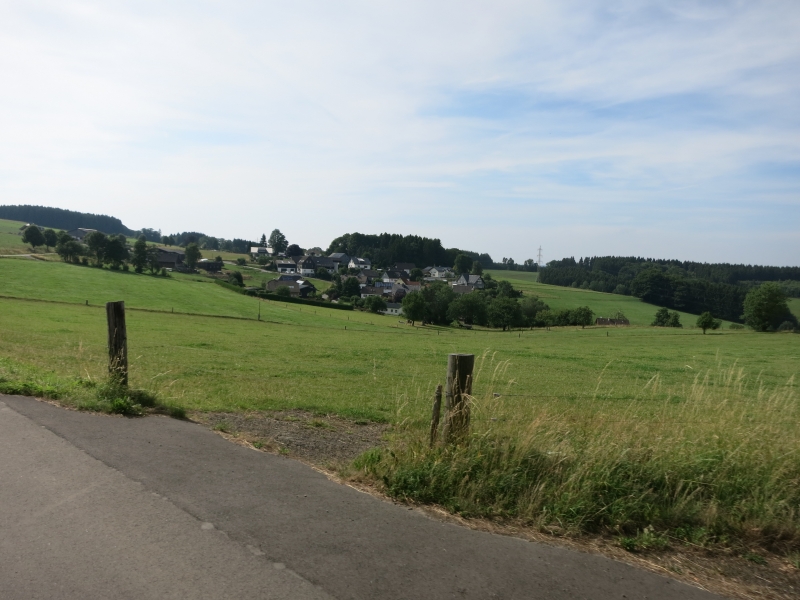
Marienheide brings together several distinct reasons to visit: wooded reservoirs offering water sports, a network of around 200 kilometres of hiking trails, and a pilgrimage tradition dating back to 1420. This makes it easy to combine active days by the water and on the trails with a look at the town’s history. When planning your trip, it is worth considering which of these interests you want to focus on—and whether you mainly want to spend time outdoors or also learn about the town’s religious history.
Water sports at two wooded reservoirs
The Brucher and Lingese reservoirs are water-sports reservoirs in wooded surroundings within Marienheide. Water sports are possible at both. However, local rules set clear limits: motorboats and surfing are not permitted at either reservoir.
At the Brucher reservoir, you can rent rowboats, pedal boats and sailboats. Check the local rules and the current availability of boat rentals before your visit. There are DLRG stations at both reservoirs; their operating status may vary. This lets you plan activities on the water while taking the applicable usage conditions into account.
Hiking trails and a family-friendly cycling route
Marienheide’s hiking network covers around 200 kilometres and caters to different ages and experience levels. This provides a useful starting point for planning together: when choosing a hike, you can take into account your fellow travellers’ experience and interests rather than assuming everyone enjoys the same kind of outing.
For cycling, the Marienheide–Hückeswagen section of the Wasserquintett Route offers a specific option to consider. It is considered family-friendly because of its gentle gradient and follows a former railway line. Marienheide railway station is the recommended starting point for Tour 11 of the Wasserquintett Route. Check local access conditions before setting out.
A pilgrimage tradition dating back to 1420
The pilgrimage tradition dates back to 1420. According to tradition, the hermit Heinrich brought a miraculous image of Mary to the place where Marienheide later developed. In 1421, around ten to twelve Dominican monks settled in Marienheide to protect the devotional image and care for pilgrims. The origins of the pilgrimage and the early history of the town are therefore closely connected.
The annual pilgrimage octave is a recurring occasion for pilgrims: many hundreds come to Marienheide in early July. The exact dates may vary from year to year. If you would like to plan your stay around the octave, check the relevant dates before making your plans.
Plan your stay around your interests
When looking for accommodation, you can start by deciding what you want to come for. If you would like to experience the pilgrimage octave, bear in mind that its dates vary; for a trip focused on outdoor activities, the hiking trails or the cycling section described above may be the main draw. The reservoirs offer another way to include water sports in your plans, subject to the rules in force there.
Discover more destinations
Discover more destinations: Dannenberg, Radevormwald, Nümbrecht, Reichshof, Gummersbach, Wipperfürth, Bergneustadt, Wiehl.
Back to the main travel guide: Oberbergischer Kreis.
