
Discover Mannheim: Museums, Parks and Landmarks
Accommodation in Mannheim
Mannheim can be discovered through a wide variety of places: the Water Tower and Baroque Palace tell the story of the city’s architecture, museums take you from the history of technology to cultural treasures thousands of years old, and parks offer room for exercise and relaxation. Which of these sides of the city shapes your trip may also play a role in choosing your accommodation.
Landmarks, architecture and the harbour
The Mannheim Water Tower was built in 1889 by Stuttgart architect Gustav Halmhuber, who also contributed to the construction of the Reichstag building in Berlin. The tower is 60 metres tall, has a diameter of 19 metres and holds 2,000 cubic metres of water. At dusk, the brightly illuminated fountains create a special atmosphere—a distinctive way to experience the landmark’s architecture.
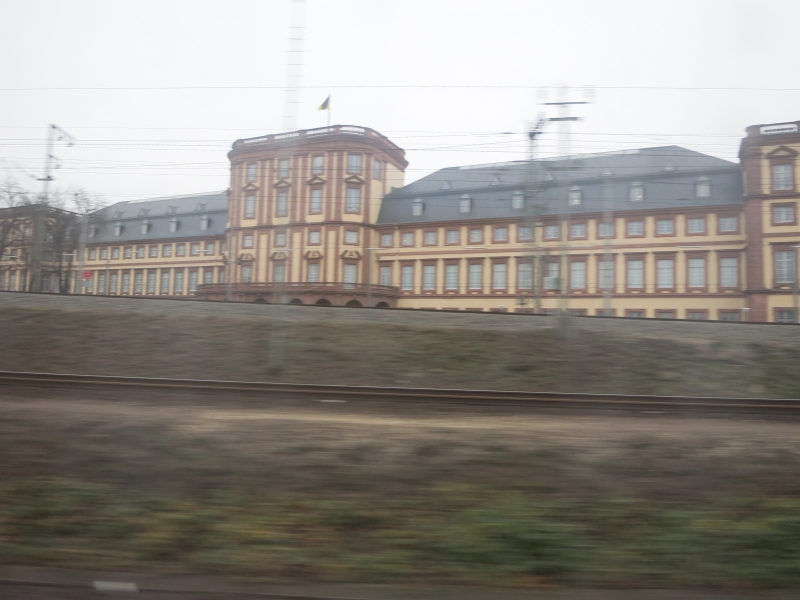
The Baroque Palace stands in the heart of Mannheim, surrounded by the city’s grid of squares. Visitors can join guided tours of its magnificent halls and the Palace Museum; check availability before your trip. The Jesuit Church also brings architecture and art together: it was built to designs by Alessandro Galli da Bibiena, modelled on “Il Gesù” in Rome. Its magnificent interior includes, among other features, a high altar, a ceiling fresco and works of art by Paul Egell and Peter Anton von Verschaffelt.
Mannheim’s industrial and commercial harbour is Germany’s largest inland port by area. The “Industrial Heritage at the Commercial Harbour” tour focuses on notable examples of Mannheim’s bridge and industrial architecture, as well as the harbour’s past and present importance for trade and tourism. The tour programme may change; check the latest dates in advance.
Technology and cultural history in the museums
The TECHNOSEUM presents 200 years of technological and social history. Interactive stations on science and technology combine information with hands-on experiences, turning a museum visit into an interactive journey through time. The programme is intended for schools, as well as children, young people and adults. It includes, among other things, a Robo Contest and an escape room; programme formats may change.
At the TECHNOclubs, children and young people can build marble runs with loops, experiment with 3D printers or make lipstick. These club activities may also change. The different offerings provide a range of ways to explore technology, without limiting the museum to a single theme.
The Reiss-Engelhorn Museums preserve more than 1.2 million objects of cultural heritage. At the Museum Weltkulturen, the subject matter spans the beginnings of humanity in the Stone Age, the Celts, Romans and Early Middle Ages, through to cultural treasures thousands of years old from Ancient Egypt. The Zeughaus Museum has a different focus: its collections cover art and cultural history, theatre and literary history, Frankenthal porcelain, photography and antiquity.
The Reiss-Engelhorn Museums offer guided tours of current exhibitions. These are usually in German and mostly take place at weekends. Private tours can be booked; English- or French-speaking guides are available on request. If you need a particular language or date, check availability before your trip.
Parks for different kinds of day out
The 42-hectare Luisenpark offers several reasons to visit: you can observe exotic and native animals, and Gondoletta boat rides are available. Their operation may vary by season. The park is also home to the Chinese Tea House, the largest of its kind in Europe and one of the few outside China.
The 21-hectare Herzogenriedpark is a local recreation centre, with opportunities for picnicking and barbecuing, as well as playing boules, basketball, football, tennis and table tennis. The Multihalle is also located in Herzogenriedpark. Known as the “Wonder of Mannheim”, it is a listed monument and the world’s largest free-spanning timber gridshell structure; it is currently being renovated.
Routes and getting around
The Mannheim sightseeing tour links the city’s main attractions and starts and ends at Mannheim Central Station. For a different perspective, take the Mannheim nature tour: it follows the Rhine promenade into Mannheim’s Waldpark and the Reißinsel nature reserve. Details of both routes may change, so it is worth checking the latest information.
For a longer cycling trip, the 410-kilometre Neckar Valley Cycle Route offers a long-distance route from Villingen-Schwenningen to Mannheim. There, the Neckar flows into the Rhine. Mannheim also has numerous VRNnextbike stations: you can hire a bicycle via the app and return it to any station. Information about the bike-sharing network may change; check it as you plan.
Discover more destinations
Discover more destinations: Rheinau, Friedrichsfeld, Seckenheim.
Back to the main travel overview: Mannheim.
