
Usedom: Nature Park and Town History
Accommodation in Usedom
The town of Usedom offers two special avenues of discovery: nature and town history. The visitor information centre of Usedom Island Nature Park presents a modern exhibition about this unique natural environment. At the same time, the castle, memorials and town gate tell of different chapters of the past. Which of these themes you want to shape your stay can also help guide your choice of accommodation.
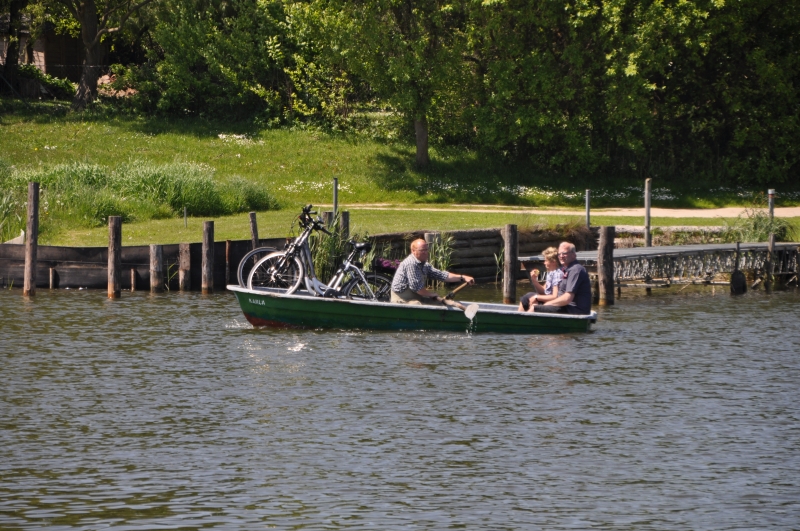
Discover nature and explore by bike
The exhibition at the visitor information centre offers a thematic introduction to the island’s natural environment. If you would like to get to know nature not only through an exhibition but also by actively exploring the area, Usedom offers guided cycling tours run by the nature park: the island is explored with an expert guide. These are two distinct ways to discover it—the exhibition and a group bike ride with a nature park guide.
Activities may be seasonal, so check dates and routes before your trip. Your answer will help clarify which themes you would like to focus on as you continue planning your trip.
Schlossberg: the history of the castle and a stone monument
The castle on Schlossberg hill was first mentioned in a document in 1140 and was later developed into a ducal palace. The site represents a long succession of changes: the castle, first mentioned in early records, became a palace of ducal significance. This development offers its own perspective on Usedom’s history, alongside later memorials and evidence of everyday town life.
Schlossberg hill is about ten metres high. In 1928, a stone Latin cross with an inscription plaque was erected there to mark the anniversary of Christianisation. The history of the castle and the cross belong to different historical periods. Together, they give Schlossberg several points of reference in time, without reducing its history to a single event.
Anklamer Gate and life in Usedom
Anklamer Gate is the only surviving one of the town’s three former gates: Peene Gate, Swine Gate and Anklamer Gate. Inside the gate, the local history museum documents the everyday lives of Usedom’s farmers and fishermen and displays historical exhibits. The focus is therefore not only on architectural history, but also on the ways of life and work that shaped the town’s daily life.
A room in Anklamer Gate is dedicated to Albert Köster, a painter and photographer from Usedom. This dedication adds a specific person from the history of art and photography to the local history museum’s themes. If you would like to get to know different sides of the town during your stay, you will find architecture, everyday history and an individual artist side by side here—different points of connection rather than just one historical narrative.
The wider region: Vorpommern-Greifswald
In the wider travel destination of Vorpommern-Greifswald, the three nature parks cover almost 40 percent of the district’s area. Cycling trips are also part of the regional offering: the Baltic Sea Cycle Route, part of EuroVelo Route EV10, passes through the district. Other regional cycling routes for exploring Vorpommern-Greifswald include the Szczecin Lagoon Circular Route and the Route of North German Romanticism. This district-wide perspective adds further regional themes to the nature park cycling tours and Usedom’s town history.
Discover more destinations
Discover more destinations: Ückeritz, Pudagla, Mellenthin, Koserow, Korswandt, Benz auf Usedom, Dargen, Garz
For the overview of the wider travel region: Amt Usedom-Süd.
