
Discover Soest: History, museums and nature
Accommodation in Soest
More than 1,000 years of urban history, High Gothic architecture and interactive exhibitions reveal different sides of Soest. These are complemented by themed tours and a medieval festival held every two years. Nature and leisure interests can also be incorporated into your travel plans: the Soest district brings together varied landscapes and opportunities for active days. You can consider whether your accommodation should primarily suit a stay focused on urban history and culture, or an itinerary that includes other activities in the district.
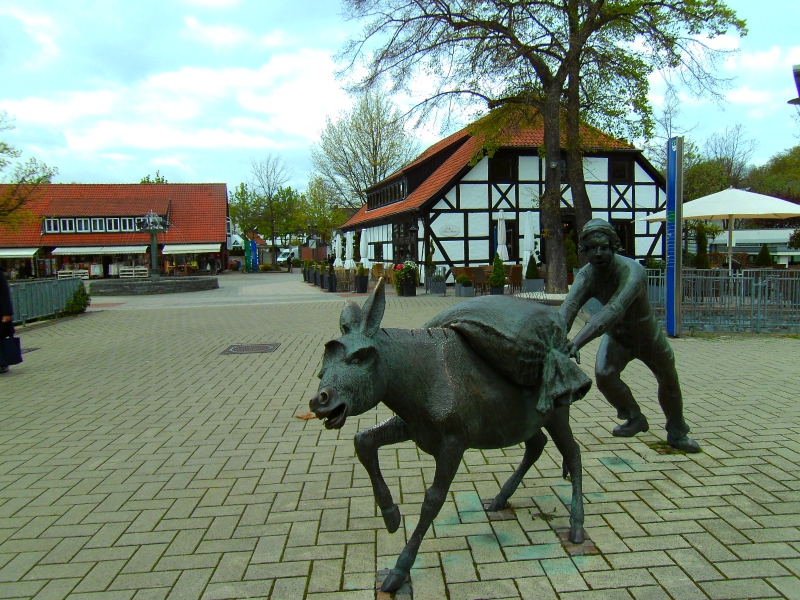
Historic architecture and urban history
At the Osthofentor Museum, information panels, large-format texts, photos, graphics and a model of the city provide an overview of its more than 1,000-year history and topographical development. The model complements the texts and images with a spatial perspective on Soest’s development.
A prominent landmark in the city’s history is St. Maria zur Wiese, also known as the “Wiesenkirche.” This High Gothic hall church is one of the finest of its kind in Germany; the foundation stone for the present-day parish church was laid in 1313. Among its notable works of art are the most significant 14th-century stained-glass windows in Westphalia. It is also famous for the “Westphalian Last Supper,” created around 1500.
The Burghof Museum focuses on different subjects: its exhibitions cover the history of the city and its churches, display engravings by Heinrich Aldegrever (1502 to around 1555), and include “Everyday Life in the Middle Ages.” Its scope ranges from historical themes about the city to a specific glimpse of everyday life in the Middle Ages.
Museums to experience and explore
The LiebesLeben Museum describes itself as a modern science center. Participation, interaction, experimentation and learning are at the heart of the experience; its concept is designed for people aged 5 to 95. If you are planning a trip with children, its explicitly broad age range is worth noting, though not every activity on the trip needs to be geared toward the same audience.
At the Wilhelm Morgner Museum with RAUM SCHROTH, temporary exhibitions are shown alongside a permanent exhibition of Soest Expressionist Wilhelm Morgner. This adds an art-focused perspective to the more city-history-oriented subjects of the other museums. As temporary exhibitions change, this part of the itinerary may vary depending on when you travel.
Tours and the Soest Feud
Around 30 themed tours offer different ways to explore Soest. These include historical walks, culinary tours such as the Soest Menu Safari, and evening events such as the Moonlight Promenade. Each format offers a different focus: the walks center on history, while the culinary and evening examples appeal to other interests. The program may change; check the dates for your preferred tour before your trip.
A special event is the Soest Feud, a medieval festival held in Soest every two years. It brings together more than 900 participants from 12 European nations. If you would like to plan your trip around the festival, check the event dates and program in advance.
Landscapes and activities in the Soest district
The Soest district combines river floodplains, the fields and meadows of the Soest Börde, extensive woodland, villages and historic towns in a single visitor region. In the southern part of the district, Arnsberg Forest Nature Park contains the largest contiguous woodland in North Rhine-Westphalia. These landscapes offer a different focus from the city’s museums and architecture.
The Soest district offers opportunities for cycling and hiking as well as water sports, climbing, skydiving and gliding; gardens also provide space to relax. The range extends from peaceful nature experiences to active leisure activities. Which of these matter to your trip may play a role in choosing where to stay, without requiring all activities to be part of a single visit.
Practical guidance for planning your trip
The Soest climbing park has specific participation requirements: on days when it is open, it is accessible to people at least 1.40 m tall. Children who are at least 1.30 m tall and at least 6 years old may use courses 1 and 2 when accompanied by an adult. If you are planning a trip with children of different heights, take these tiered rules into account and check them again before your visit.
This provides guidance on where to stay without presupposing specific activities or a particular itinerary.
Discover more destinations: Werl, Warstein, Soest, Lippstadt, Geseke, Erwitte, Bad Sassendorf, Möhnesee, Vellinghausen, Wickede, Rüthen, Anröchte, Lippetal, Ense, Welver.
Back to the main travel overview: North Rhine-Westphalia.
